The short answer
SureBreeze installs central air, heat pumps, and ductless mini-splits in East Palo Alto homes, starting with a room-by-room load calculation so the system isn't oversized for the city's relatively mild, Bay-adjacent summers. If your gas furnace is near the end of its life, a heat pump can handle both cooling and heating, and we'll check current BayREN and local incentives before you decide.
If your East Palo Alto home has never had air conditioning, or the system you have is struggling, SureBreeze AC Repair Service can plan and install a new cooling system sized for your house. We come from our base in Fremont, about 12 miles away, to homes throughout East Palo Alto and the surrounding part of San Mateo County. This page covers how we size a system for local conditions, which equipment fits common home layouts, what installation day involves, and how current Bay Area rules and incentives affect your decision.
Sizing a System for East Palo Alto's Climate
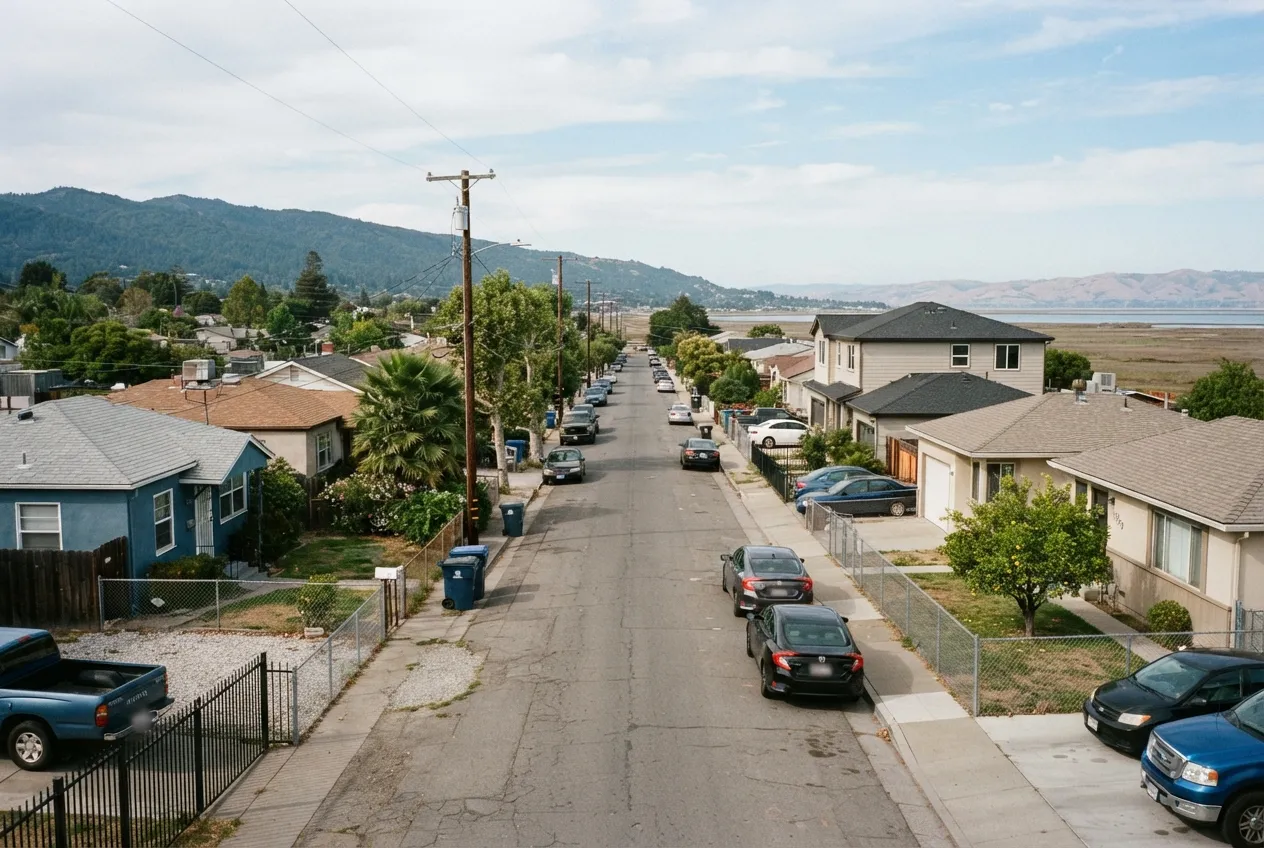
East Palo Alto sits close to the Bay. The region has dry summers and mild, damp winters, and areas near the Bay usually stay cooler than the inland and southern parts of the Santa Clara Valley. For many homes here, air conditioning is about getting through hot stretches comfortably rather than running hard every day from June to October.
That makes sizing important. A unit that's too large cools the house quickly, shuts off, and starts again, which leaves rooms feeling clammy, wastes energy, and puts extra wear on the compressor. Before recommending equipment, we do a load calculation based on your actual house instead of a rule of thumb.
- Conditioned square footage and ceiling height
- Attic and wall insulation levels
- Window size, type, and which direction they face
- Air leakage around doors, attic hatches, and ducts
- Rooms that run hot, such as upstairs bedrooms or west-facing living areas
Choosing Between Central AC, a Heat Pump, or Ductless
Many East Palo Alto homes heat with a gas furnace. If that furnace works well and has plenty of life left, adding a central AC condenser and an indoor coil to the existing system is usually the simplest route.
If the furnace is aging, it's worth looking at a heat pump now. A heat pump cools in summer and heats in winter with one outdoor unit. Under Bay Area Air District Rule 9-4, gas furnaces manufactured from 2029 must meet a zero-NOx standard, which in practice points homeowners toward heat pumps when a furnace is replaced after that date. The Air District's rules do not require replacing working equipment; they apply only when a furnace fails or is replaced. We'll tell you plainly whether your furnace is worth keeping.
For homes without ductwork, or for additions and converted garages, ductless mini-splits let you cool specific rooms without running new ducts.
- Central AC: pairs with a working furnace and existing ducts
- Ducted heat pump: replaces both the AC and furnace role
- Ductless mini-split: individual zones, no ducts needed
Ducts, Electrical Capacity, and Older Homes
A new system only performs as well as the ducts and wiring behind it. In older homes we inspect ducts for leaks, crushed runs, and undersized returns, since those problems can make a correctly sized unit feel weak. We also check whether your electrical panel has capacity for the new equipment, which matters most when switching to a heat pump. If upgrades are needed, we explain why before any work begins.
What Happens on Installation Day
Most installations follow the same sequence. We'll explain what permits and inspection your project needs and walk you through the plan before work starts.
- Protect floors and work areas inside the home
- Disconnect and remove old equipment and recover refrigerant
- Set the outdoor unit on a level pad with proper clearance
- Install the indoor coil, air handler, or mini-split heads
- Run and seal the refrigerant line set and condensate drain
- Make electrical connections and install or update the thermostat
- Charge refrigerant to manufacturer specifications
- Test airflow and temperature drop, then walk you through operation and filter changes
Rebates, Tax Credits, and Incentives
The federal Energy Efficient Home Improvement Credit (25C) covered qualifying heat pumps placed in service before December 31, 2025. It is not available for new installations after that date, so it won't apply to a system installed now.
Local programs may still help. Bay Area homeowners can check BayREN and their local clean energy provider for current heat pump and electrification incentives. Amounts and availability change by funding cycle, so we confirm the current offer before including it in your quote.
Serving East Palo Alto and Nearby Cities
Along with East Palo Alto, we install cooling systems for homeowners in Menlo Park, Mountain View, Newark, Sunnyvale, and Hayward. Wherever you are, the process starts the same way: an in-home visit, a load calculation, and a clear recommendation with options you can compare.
More services in East Palo Alto
- AC Repair in East Palo Alto
- Heating Repair in East Palo Alto
- Heat Pump Installation in East Palo Alto
- Furnace Repair in East Palo Alto