The short answer
SureBreeze AC Repair Service repairs air conditioners, heat pumps, and ductless systems in Sunnyvale homes. We confirm the cause first, then explain your options in plain terms before any work starts. Common fixes include failed capacitors, clogged drains, dirty coils, frozen lines, and refrigerant leaks.
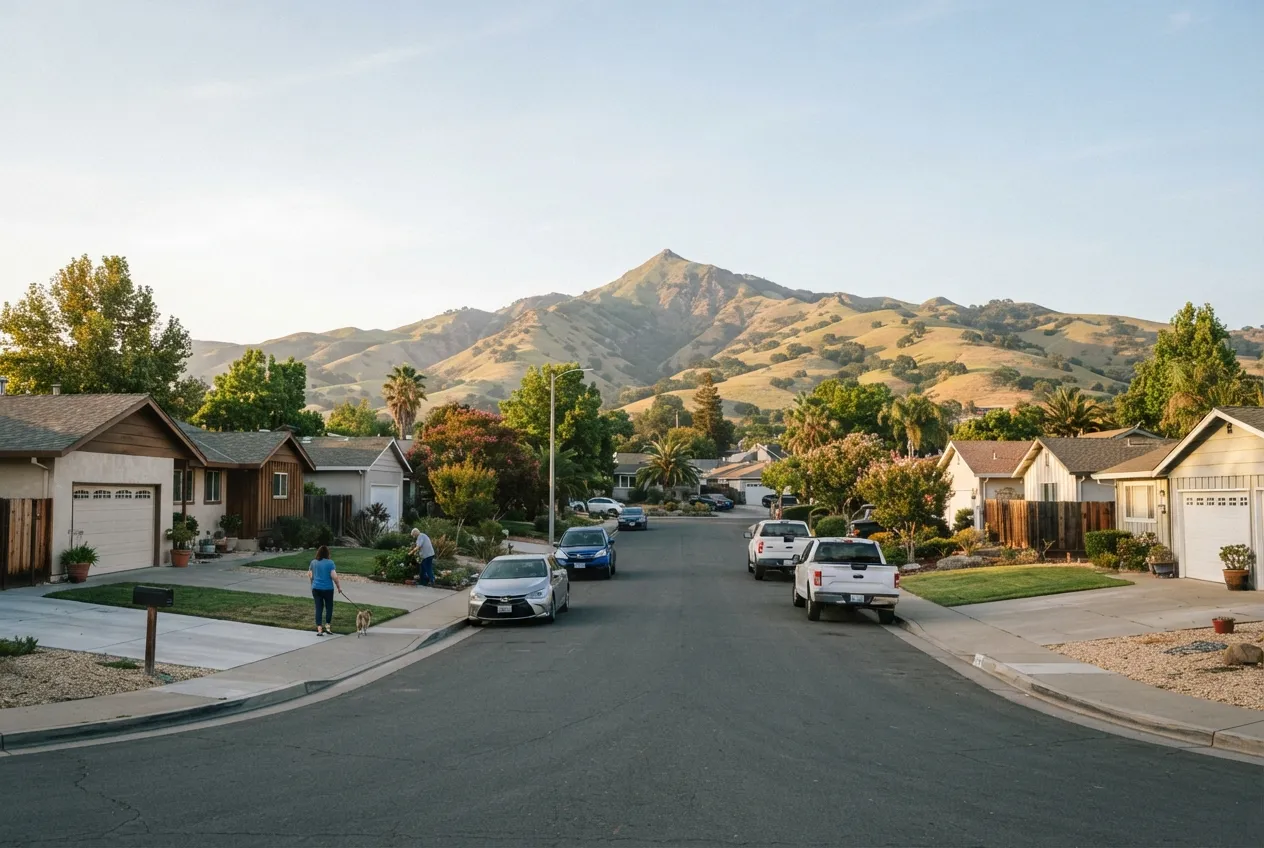
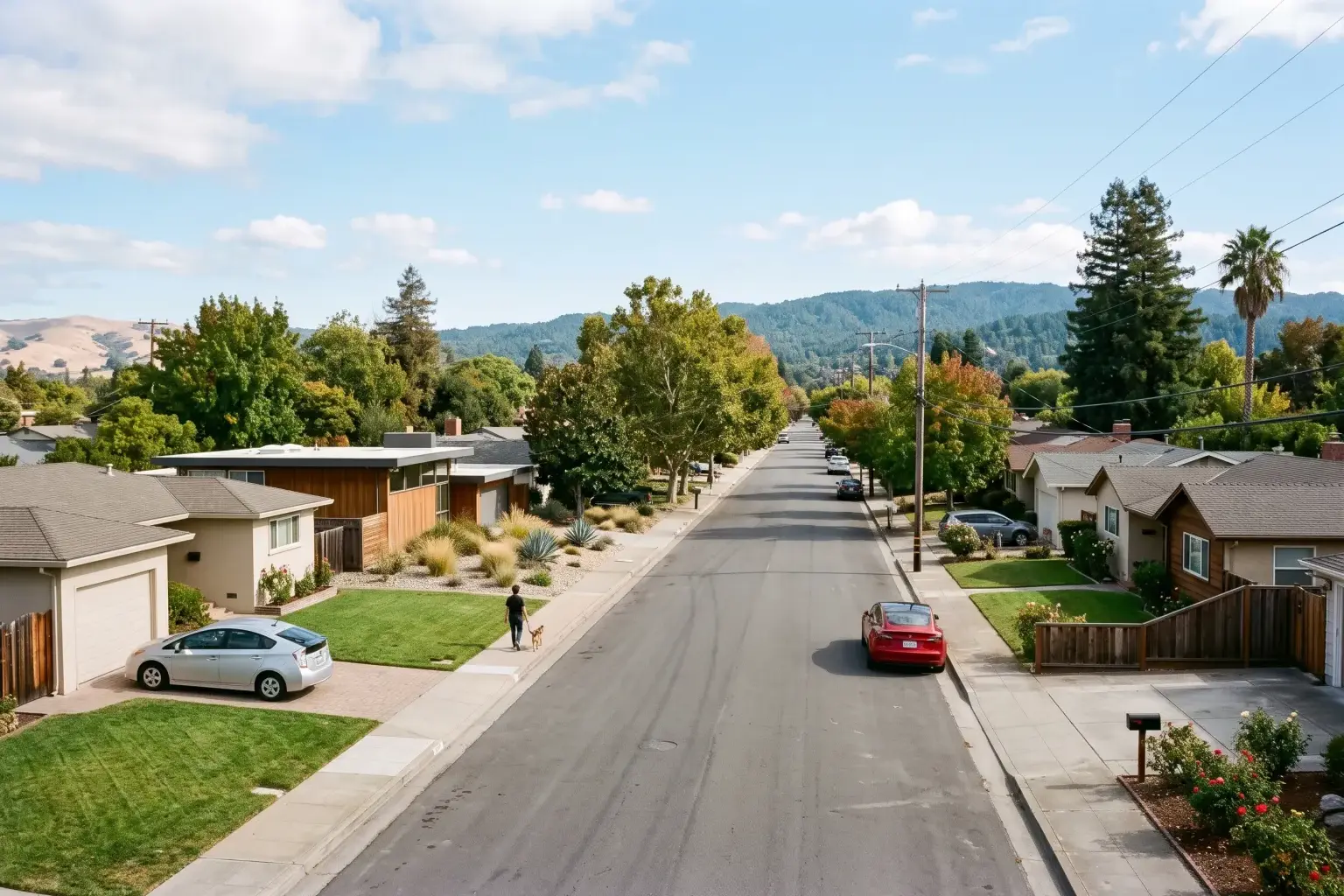
When your air conditioner quits in Sunnyvale, the house can warm up fast on a dry summer afternoon. SureBreeze AC Repair Service diagnoses and repairs central air conditioners, heat pumps, and ductless systems in homes across Sunnyvale, in ZIP codes 94085, 94086, 94087, and 94089. We come from our base in Fremont, about 14 miles north. We find the actual cause of the problem before recommending any part or fix. This page covers what typically goes wrong, what a repair visit involves, and how to decide between repairing and replacing.
How Sunnyvale's Climate Affects Your Air Conditioner
Sunnyvale sits in the Santa Clara Valley, which has a Mediterranean climate with dry summers and mild, damp winters. Inland and southern parts of the valley run noticeably hotter in summer than areas near the Bay. How hard your system works depends partly on where in the valley you live. Even closer to the Bay, warm stretches push an AC to run long cycles.
That pattern creates a few predictable problems. Many systems sit idle or run lightly for months, then get switched on hard when the first heat arrives. Weak capacitors, worn contactors, and clogged condensate drains often show up during that first warm week. Dry, dusty summers also load up filters and outdoor coils. That cuts airflow and makes the system run longer while cooling less.
Common AC Repairs We Handle in Sunnyvale Homes
Most calls start with one of a handful of symptoms. Here is what we see most often and what usually causes it:
- AC runs but blows warm air: often a failed capacitor, a stopped outdoor fan, a refrigerant leak, or a dirty condenser coil.
- Outdoor unit hums but won't start: commonly a bad capacitor or contactor.
- System won't turn on at all: a tripped breaker, a blown fuse in the outdoor disconnect, a thermostat problem, or a safety switch triggered by a full drain pan.
- Ice on the refrigerant lines or indoor coil: restricted airflow from a clogged filter or dirty coil, or low refrigerant from a leak.
- Water pooling near the indoor unit: a clogged condensate line or a cracked drain pan.
- Short cycling or uneven room temperatures: thermostat placement or settings, airflow restrictions, leaky ducts, or an oversized system.
- Grinding, squealing, or rattling: worn fan motor bearings, a loose panel, or debris inside the outdoor unit.
What Happens During a Repair Visit
A technician starts by asking what you noticed and when it began. We then check the thermostat, filter, electrical connections, capacitors, fan motors, coils, drain line, and refrigerant pressures as needed. The goal is to confirm the cause rather than swap parts until something works.
Before any work begins, we explain what we found in plain terms. When it makes sense, we show you the failed part, and we walk you through your options. Simple repairs are often finished on the same visit. If a part has to be ordered, we tell you what to expect and how to keep the house as comfortable as possible in the meantime.
Repair or Replace? A Practical Look
Most AC problems can be repaired, and we will tell you when a repair makes sense. Replacement is worth discussing in a few situations: the system keeps failing, a major component like the compressor has failed on an older unit, or the system can no longer keep your home comfortable.
If you are weighing a heat pump instead of a new AC, a few current facts matter. The federal 25C tax credit covered only qualifying heat pumps placed in service before December 31, 2025, so it is not available for new installations now. BayREN and your local clean energy provider may offer heat pump and electrification incentives. Amounts and availability change by funding cycle, so we confirm the current offer before including it in a quote.
Bay Area Air District rules also come up. They do not require you to replace working equipment. They apply only when an existing furnace or water heater fails or is replaced. Natural gas furnaces manufactured from 2029 must meet a zero-NOx emission standard. In practice, that points homeowners toward heat pumps when a furnace is replaced after that date. If your furnace and AC are both aging, that is worth factoring into your plans.
Quick Checks Before You Call
A few simple checks can sometimes solve the problem, or at least help us diagnose it faster:
Avoid opening electrical panels or handling refrigerant lines. Those jobs need a trained technician.
- Confirm the thermostat is set to Cool and the set temperature is below the room temperature. Replace the thermostat batteries if it uses them.
- Check the breakers for both the indoor and outdoor units.
- Look at the air filter and replace it if it is dirty.
- Clear leaves, weeds, and stored items from around the outdoor unit.
- If you see ice, turn the system off and let it thaw before running it again. Running a frozen system can damage the compressor.
Serving Sunnyvale and Nearby Cities
We repair air conditioners in homes throughout Sunnyvale, in Santa Clara County, including ZIP codes 94085, 94086, 94087, and 94089. We also serve nearby Mountain View, Milpitas, East Palo Alto, Newark, and Menlo Park. When you contact us, tell us what the system is doing and mention any sounds, smells, or error codes you've noticed. That helps us come prepared.
More services in Sunnyvale
- Heating Repair in Sunnyvale
- Heat Pump Installation in Sunnyvale
- AC Installation in Sunnyvale
- Furnace Repair in Sunnyvale